
Ischemia Reperfusion Injury
Retinal ischemia-reperfusion (I/R) injury is a pathophysiological process in which the blood supply to the retina is completely cut off (occluded) during the ischemic phase, followed by a restoration of blood flow (reperfusion). This process contributes to cellular damage in multiple ocular conditions, including glaucoma, diabetic retinopathy, and retinal vascular occlusions, and is a significant cause of visual impairment.
Model Overview
The EyeCRO ischemia/reperfusion model is generated through cannulation of the anterior chamber with saline to elevate intraocular pressure above systolic arterial blood pressure, temporarily halting inner retinal blood flow. The ischemic event is then released and vascular flow is allowed to reperfuse the eye. This reperfusion triggers inflammation, oxidative stress, vascular permeability changes, and retinal neurodegeneration, particularly affecting retinal ganglion cells. The model provides a reliable platform for evaluating neuroprotective, anti-inflammatory, and anti-oxidant therapeutic strategies.
Typical Endpoints
- Optokinetic tracking (visual acuity and contrast sensitivity)
- Quantification of retinal ganglion cells on retinal flatmounts
- OCT imaging (ganglion cell complex thickness)
Representative Data
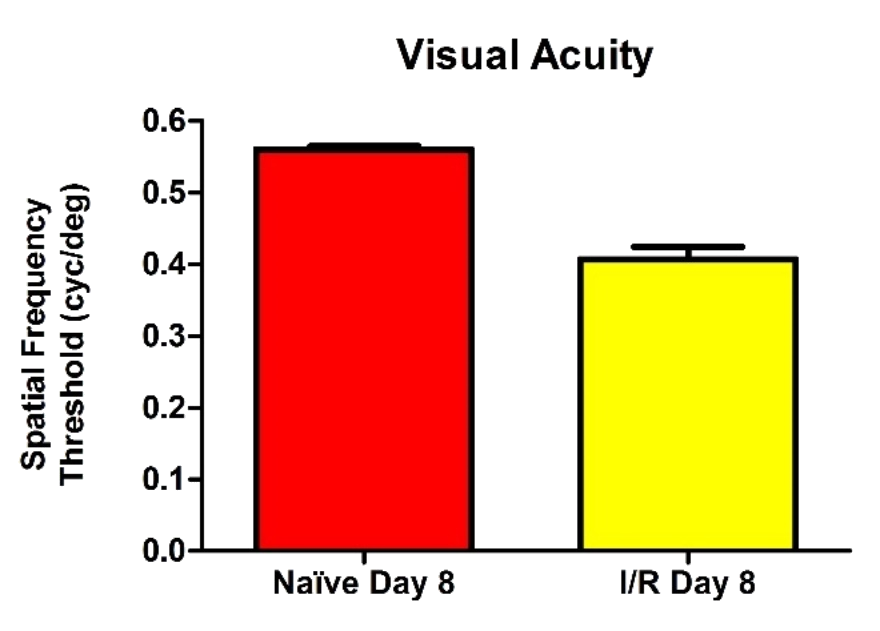
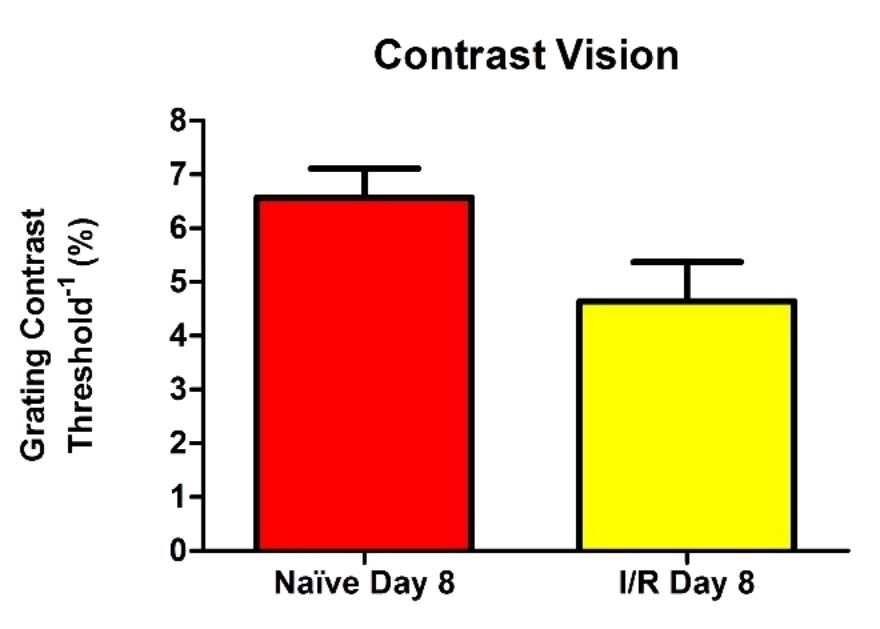
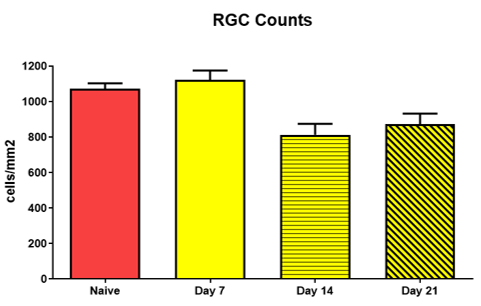
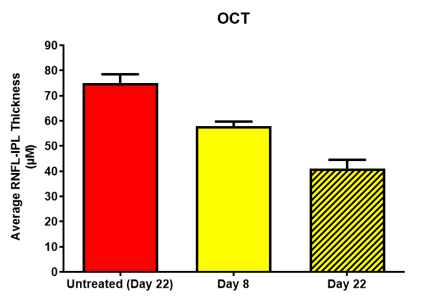
Interested in this model?
We are happy to share more about study design options, endpoints, or timelines.
Contact us to discuss your study goals.